
Programs
Environmental Management
Technical and policy skills for climate resilience and sustainable development.
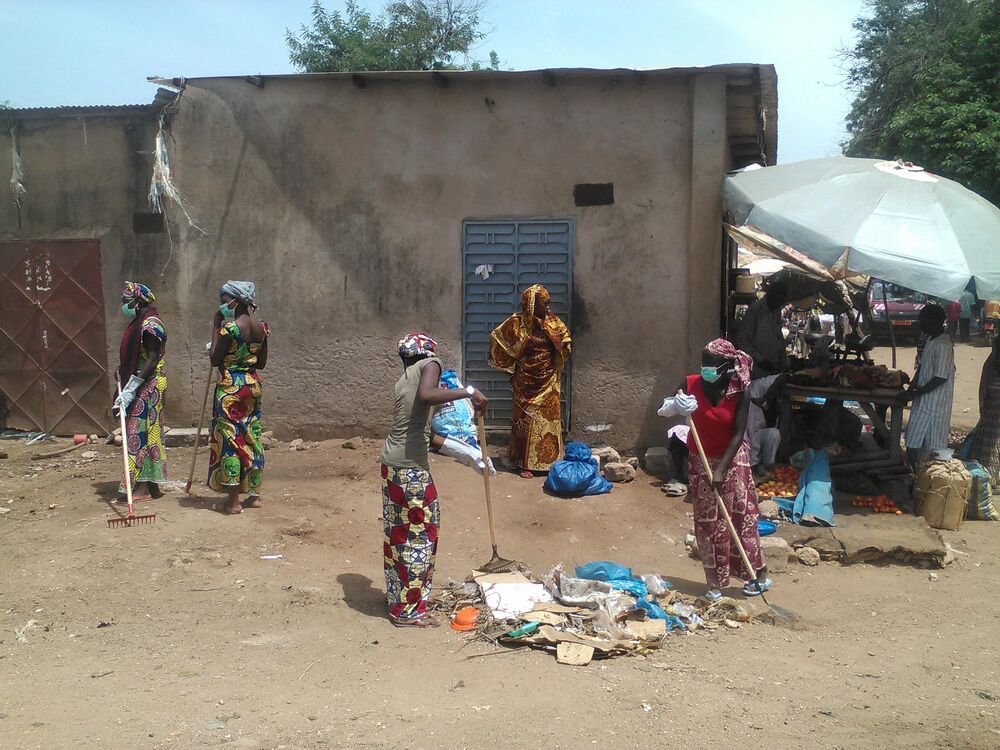
Program presentation
Higher education in Environmental Management equips students with technical and policy-oriented skills. Career opportunities span government, private industry, NGOs, and academia, with strong prospects for climate resilience, green innovation, and sustainability.
Key features
- Multidisciplinary approach: Combines ecology, economics, law and engineering for holistic solutions.
- Applied learning: Fieldwork, laboratory analysis, and internships with NGOs and government agencies.
- Policy integration: Strong focus on environmental legislation and sustainable development frameworks.
- Research orientation: Students participate in projects related to deforestation, waste recycling and renewable energy.
- International collaboration: Partnerships with organizations such as WWF, UNDP, GIZ, FAO, World Bank, for training and research support.
Program content
Environmental Law and Policy
Waste management and pollution control
Climate change adaptation and mitigation
Sustainable development and natural resource management
Sustainable agriculture
Ecology and biodiversity conservation
Pollution control
GIS and environmental data analysis
Environmental and social impact assessment
Career opportunities
- Public sector: Ministry of the Environment, Nature Protection and Sustainable Development (MINEPDED) — Ministry of Agriculture and Rural Development (MINADER) — Municipal councils.
- Private sector: Environmental Design and Consulting Offices (ESIA, Audit and Compliance), Corporate Sustainability Departments, Renewable Energy and Waste Recycling Companies.
- NGOs and international organizations: WWF, UNDP, GIZ, FAO and World Bank on conservation and climate resilience.
- Academy and research: Teaching and research positions in universities and environmental institutes, PhD study opportunities in environmental science or climate change adaptation.
Sector outlook
- The environmental management sector is expanding due to national commitments under the Paris Climate Agreement.
- Growth of green economy initiatives and sustainable urban development.
- Growing demand for professionals in climate risk assessment, renewable energy and environmental governance.
- Planned areas for growth: Environmental data analysis and GIS mapping, Circular economy and waste recovery, Carbon credit and sustainable financing.